Finding the Entry Point & Fixing the Problem
Introducing “Pointer Videos” on social media!
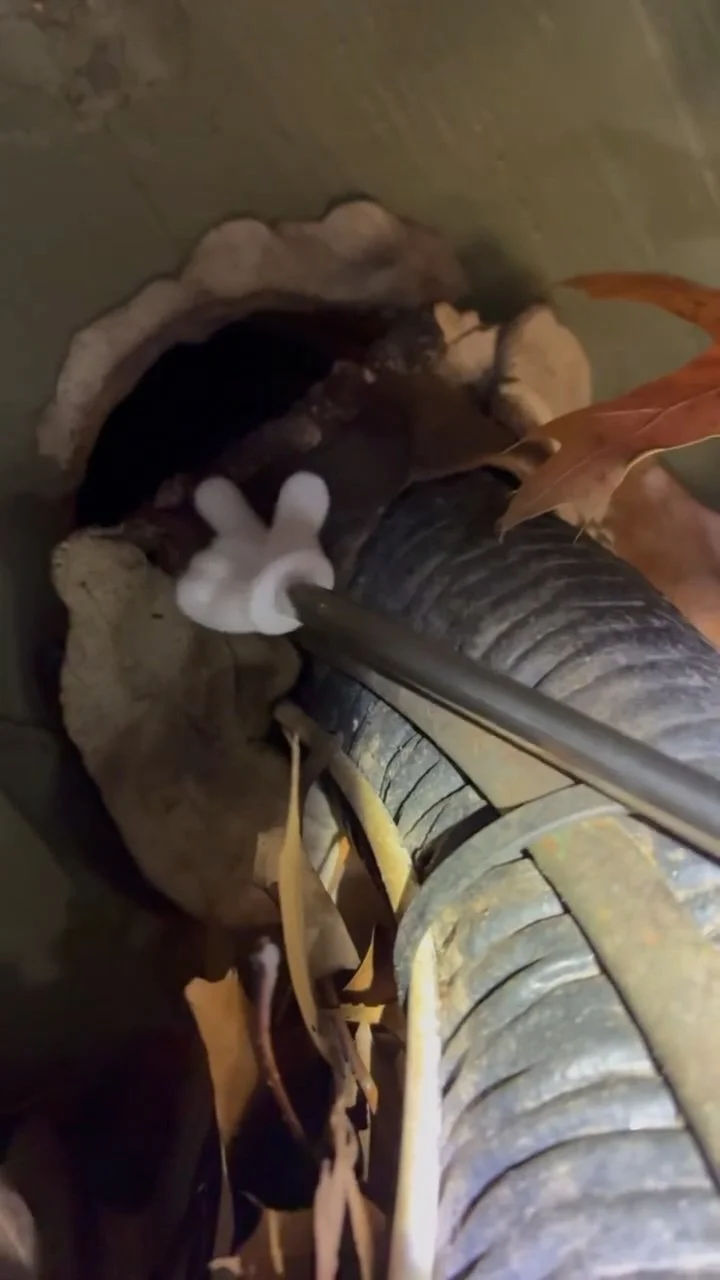
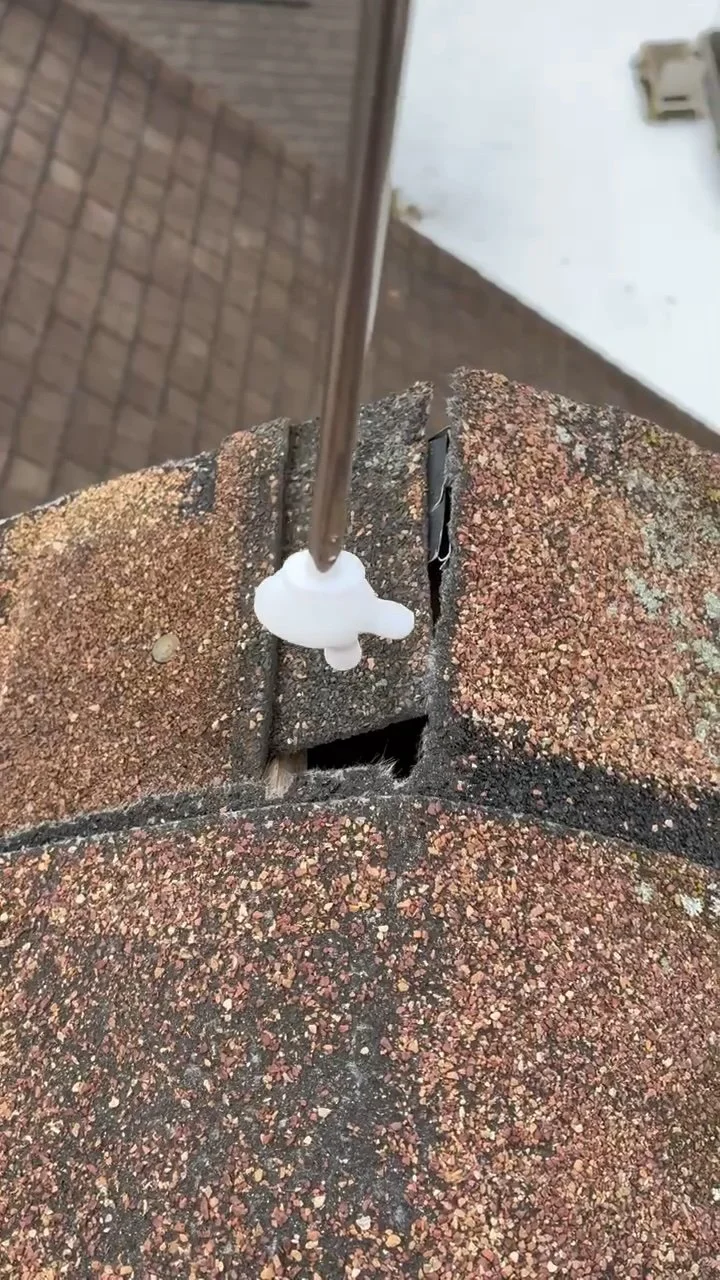
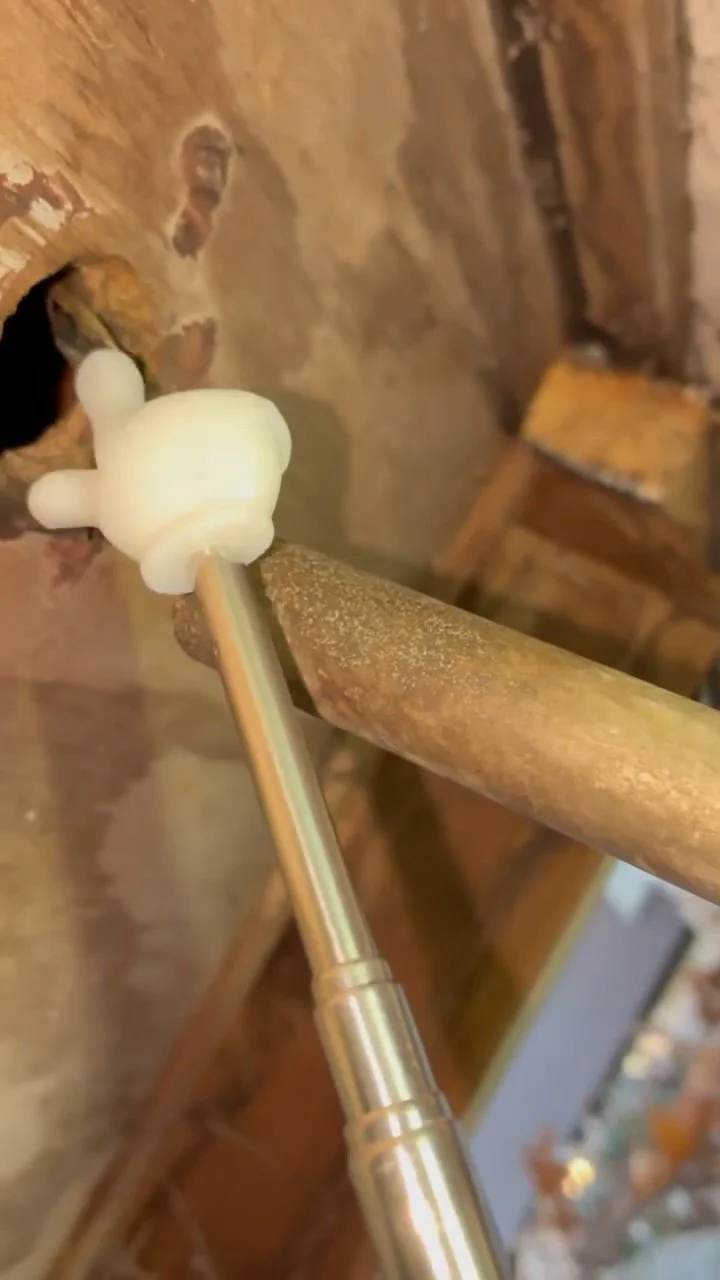
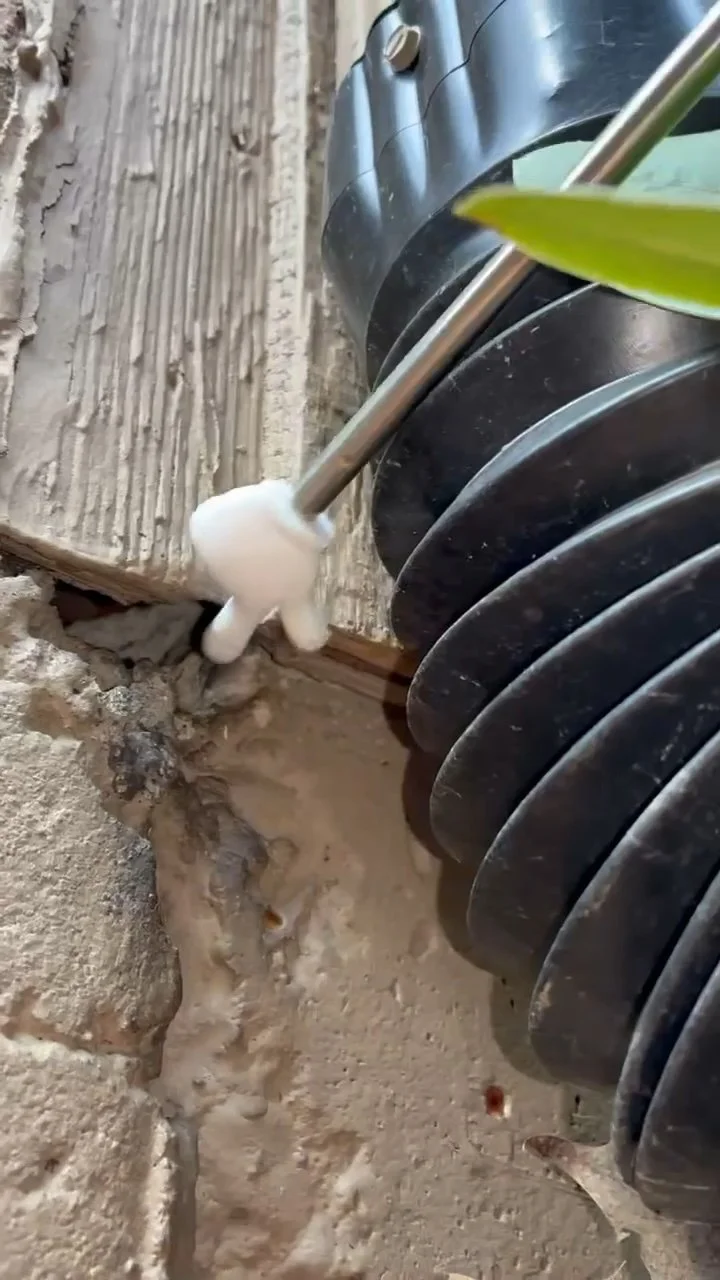
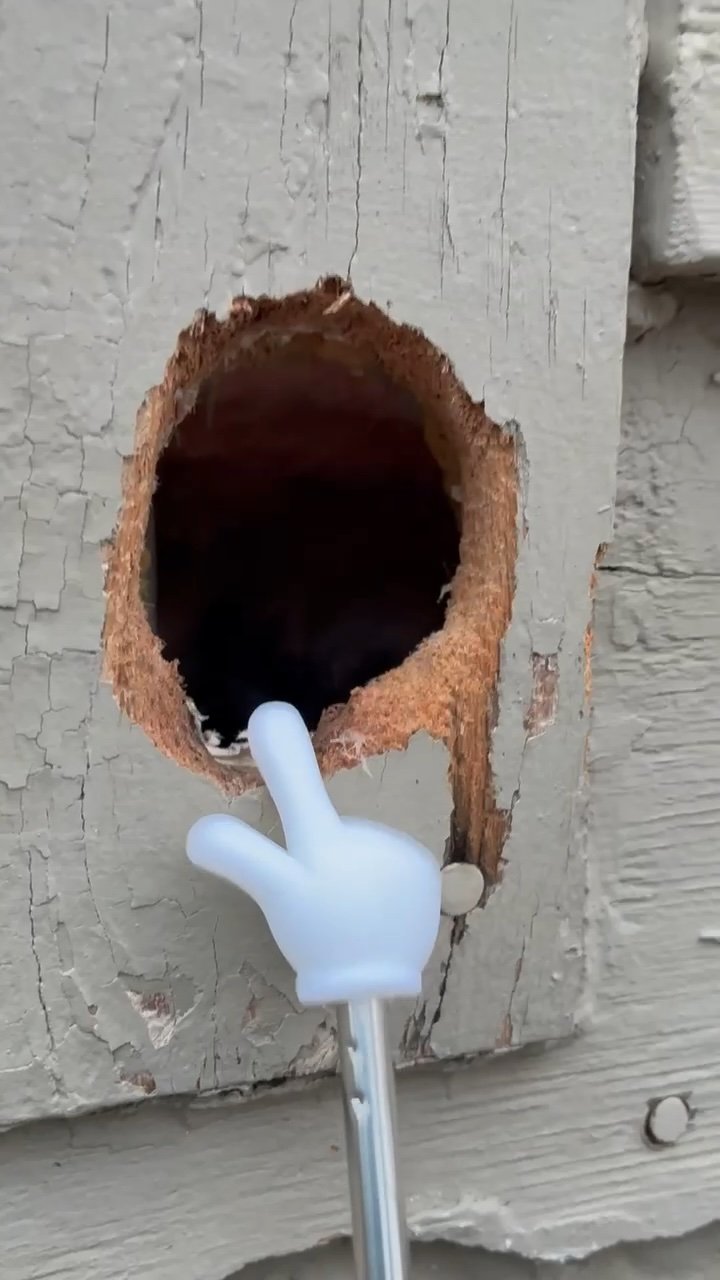
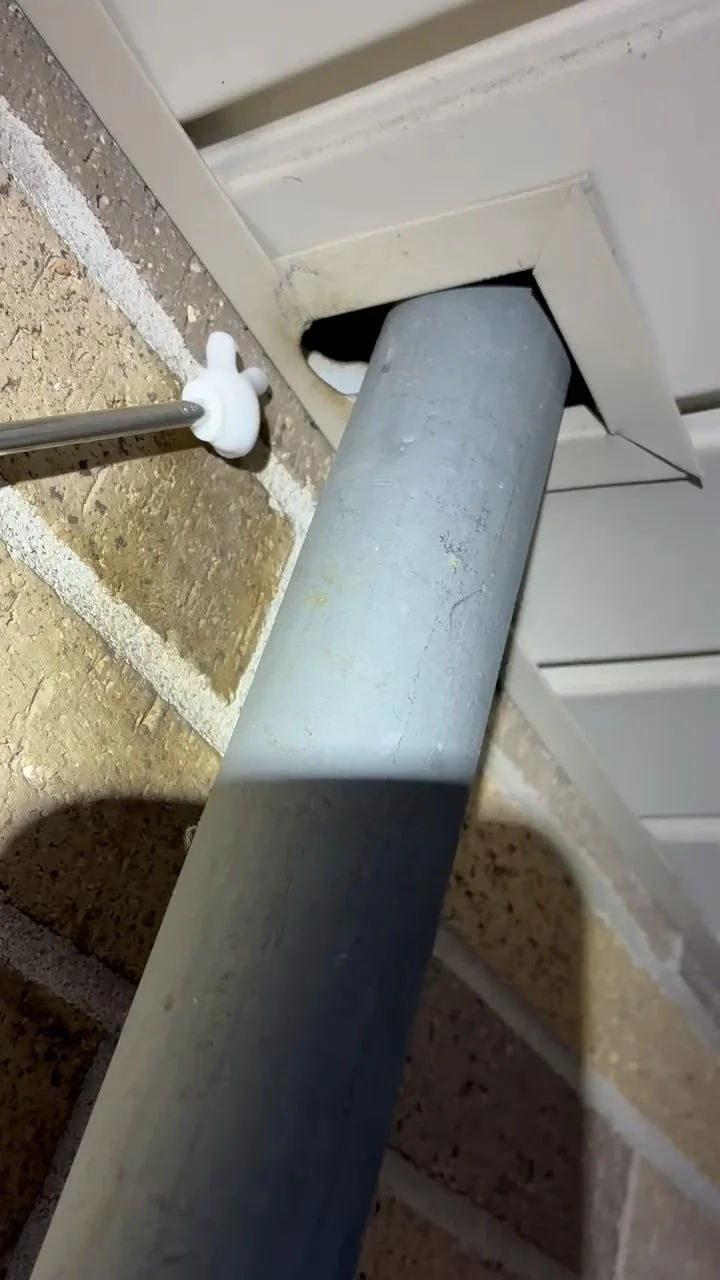
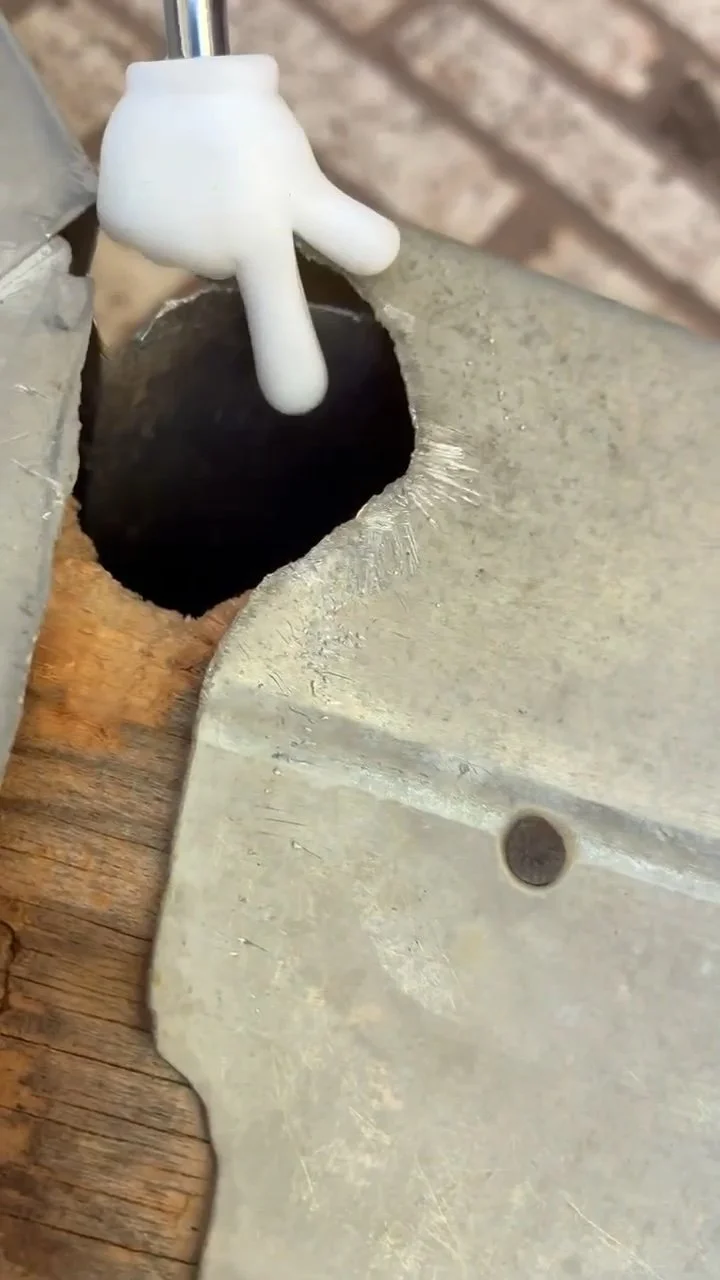
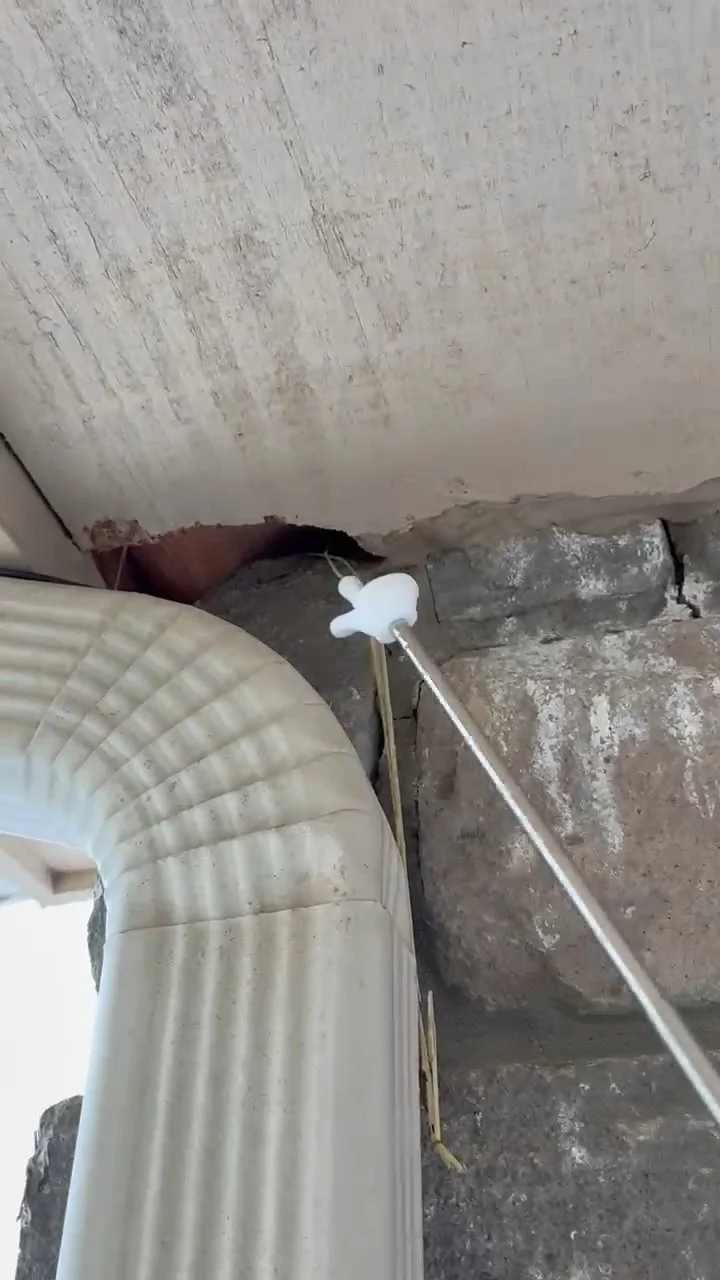
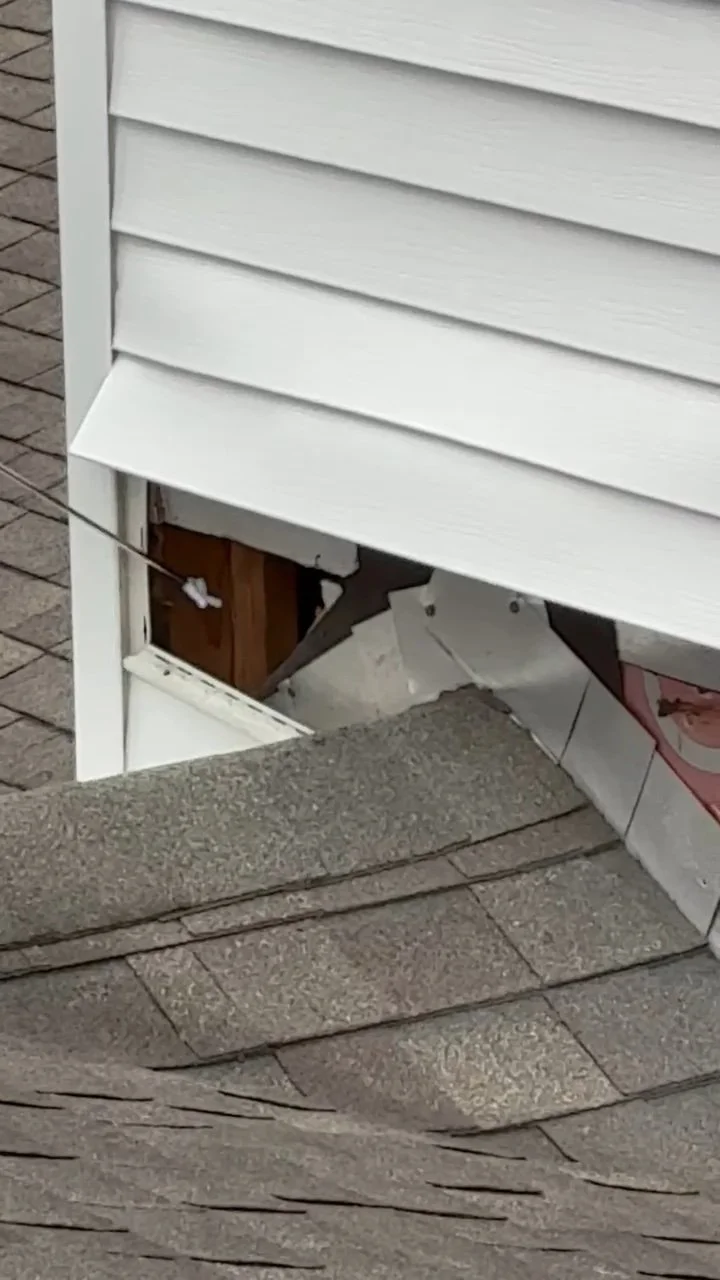
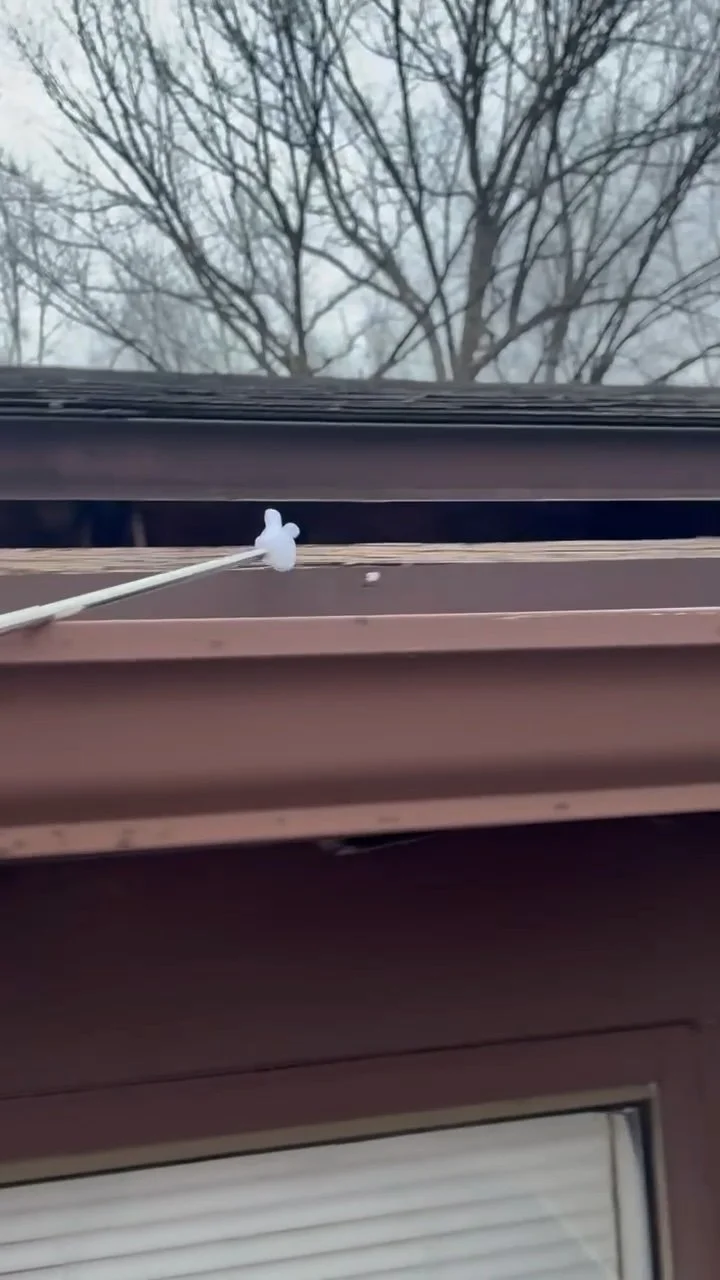
Is a recurring rodent problem driving you nuts despite countless traps and caulking? You’ve got an access problem…
The most common thing we hear from Michigan homeowners is some version of "I have no idea how they're getting in."
Entry points aren't usually obvious and most homes look fine from the ground. But after years of freeze-thaw cycles, snow loads, and general weathering, small failures can become big problems. Just as often, entry points were just never spotted or addressed when the house was built (a very common finding with new construction).
However those entry points emerged, wildlife doesn’t need much space to work with. Where there’s a will there’s a “way in.” Mice, for example, fit through dime-sized gaps and they’re excellent climbers. Squirrels exploit seams and small separations you can barely notice. Raccoons test weak points with their human-like hands and pry until something gives way.
By the time you hear clawing or scratching or screeching in the attic, at least one entry point has usually been there for a while (cross your fingers that bats haven’t reached that same conclusion)!
We’ve started sharing “pointer videos” like this one to our social media pages to help homeowners understand what’s really going on. When you can see the separated trim board… the lifted shingle… the torn vent screen… the chewed corner of a soffit, it just makes sense: “more traps” only treat the symptom, not the root cause, of the problem.
What Pest Control Exclusion Work actually involves
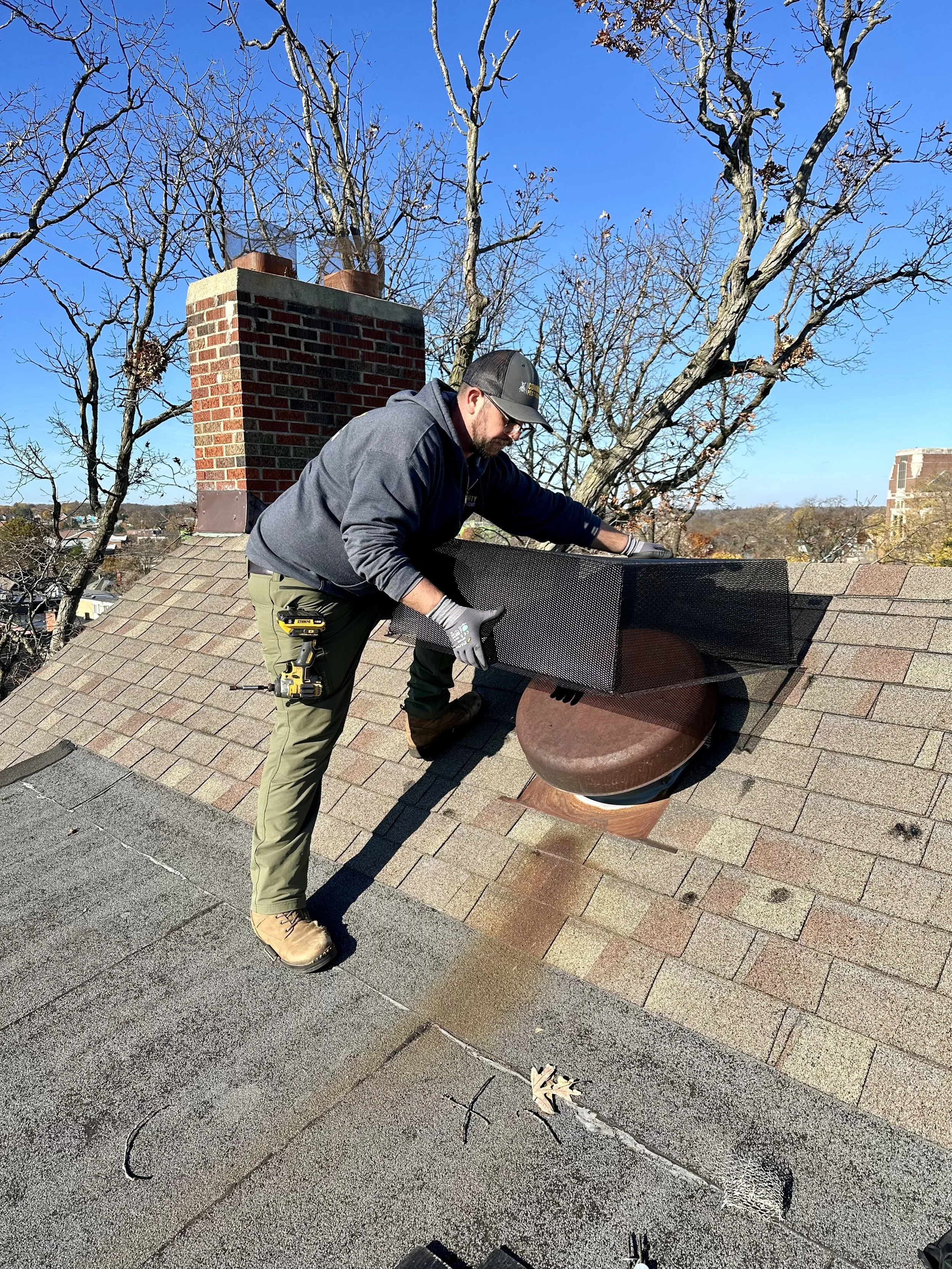
When we inspect a home for wildlife or rodents, we’re not just walking around the perimeter and setting boxes.
We're checking rooflines, soffits and fascia, attic vents, and chimneys, and going deep into attics and crawl spaces, and going over garage door seals and foundation lines. It's detail-oriented work, and a lot of it requires getting eyes on areas that aren't easily visible.
So we've started filming short videos during exterior inspections where technicians point out the specific entry points they find – the separated trim board, the torn vent screen, the chewed soffit, etc.
If you choose to DIY, Use Caution!
The videos give an honest picture of what this work involves physically (without even showing how we seal up gaps and holes to exclude future pests from getting in).
We’re on ladders checking rooflines
We’re looking closely at soffits and fascia
We’re examining attic vents
We’re crawling into tight crawl spaces
We’re inspecting garage door seals and foundation lines
Technicians are often on extension ladders two or three stories up, navigating rooflines, and working in tight attic spaces. Most entry points can't be found or fixed without getting up there.
Beyond the access challenges, there's also a learning curve to reading a structure and knowing what to look for. Gaps that are easy to miss visually can be significant once you understand how wildlife moves and where different species tend to enter.
We take a lot of pride in a thoughtful hiring process and provide substantial on-the-job training before technicians forge out on their own. That results in doing the job right the first time and earning reviews like the one you see on this blog along with 2,000 more.
The Real Fix!
Once entry points are identified, exclusion work – sealing and reinforcing those spots with appropriate materials – is what prevents the problem from recurring.
If you're hearing activity in your home or want a thorough inspection, we're happy to take a look. Sometimes the entry point is straightforward to find. Sometimes it takes more time and a trained eye. Either way, the starting point is figuring out how they're getting in.