Climate Change & Ann Arbor Pest Problems
Who Are the Winners and Losers of climate change in the ann arbor area?



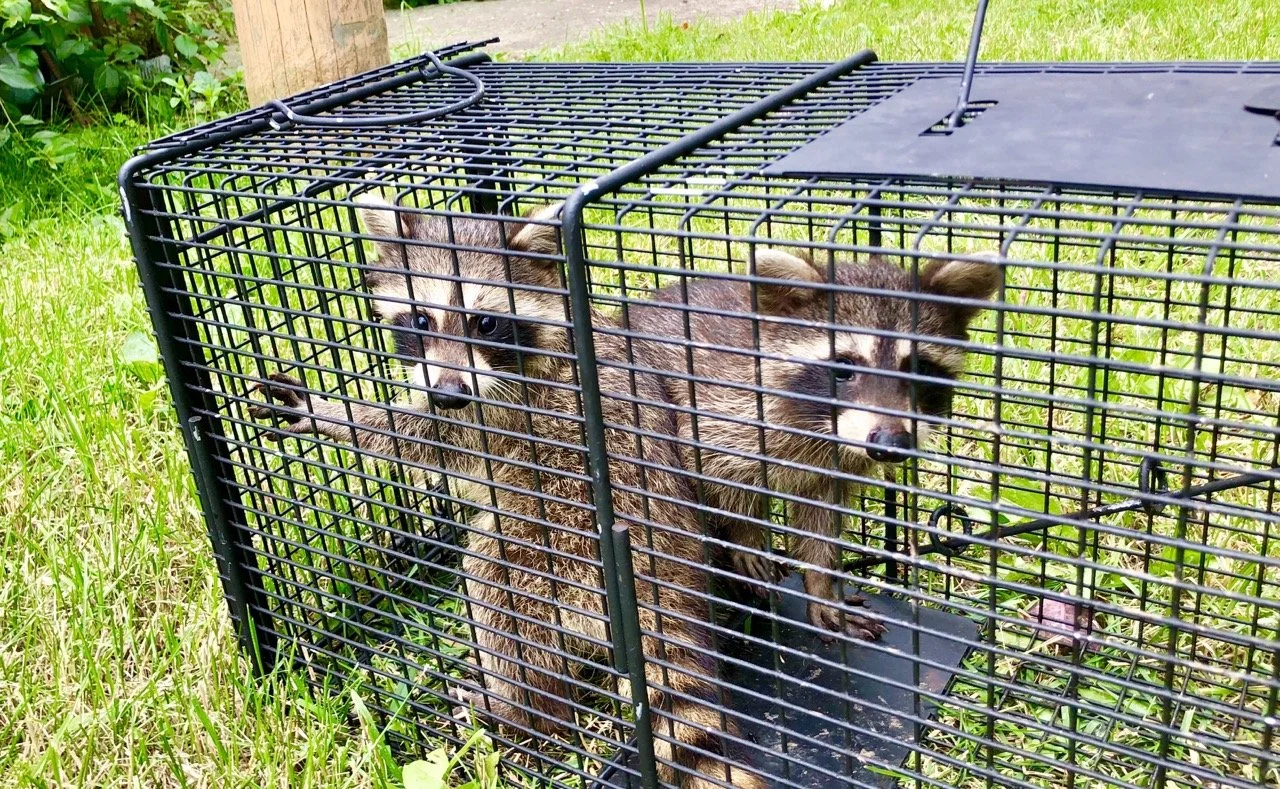
As Michiganders, we enjoy many benefits of living in a “climate haven” cushioned from the acute weather events we witness regularly on the coasts and in the south and southwest.
But just as climate change is reshaping ecosystems across America and the world, Ann Arbor is no exception.
As seasonal weather patterns shift warmer, we are seeing profound impacts on Ann Arbor wildlife and insect populations. Our local friends in agriculture and landscaping are adapting to similar trends in our flora and fauna.
In our world of pest control, we observe first-hand how certain species are thriving more than ever while others struggle to adapt. Understanding these trends will help homeowners and businesses in the Ann Arbor area anticipate long-term threats to their properties.
So, what is the fundamental impact of warming weather on the common pests in Ann Arbor?
The natural balance of our ecosystem is out of order and the “new normal” is evolving in real-time. Extended growing and breeding seasons, increased precipitation, and more humidity create ideal conditions for many local pests to flourish. Conversely, species that rely on colder winters may find their habitats becoming less hospitable.
Winners:
RODENTS OF EVERY STRIPE


Mouse, squirrel, rat and other wildlife populations in Ann Arbor have historically been controlled by long, difficult, extremely cold periods and deep snow during the winter.
Recent, milder Michigan winters in have created longer breeding seasons, less natural attrition in the winter, and more abundant seed and nut output providing the additional food needed to sustain these growing populations.
Year over year, we’ve responded to a 50% increase in rodent calls, and rats in particular seem to be enjoying these changes. We recorded an all-time high volume of rat-related calls from Ypsilanti – double as many as in 2023 (which saw double as many as 2022). Granted… our sample is not very large, but we are confident that this problem is here to stay if climate projections are accurate.
There are other factors contributing to the growing Norway/Brown Rat problem in Ypsilanti. But there is no doubt that climate change is behind some of it. At the end of the day, more hospitable winters are allowing rats to survive in greater numbers, leading to larger populations in the spring. And warmer conditions from spring to fall is fueling population growth. And – unfortunately – more rain (and flooding) is driving them inside into Ypsilanti homes and businesses for shelter.
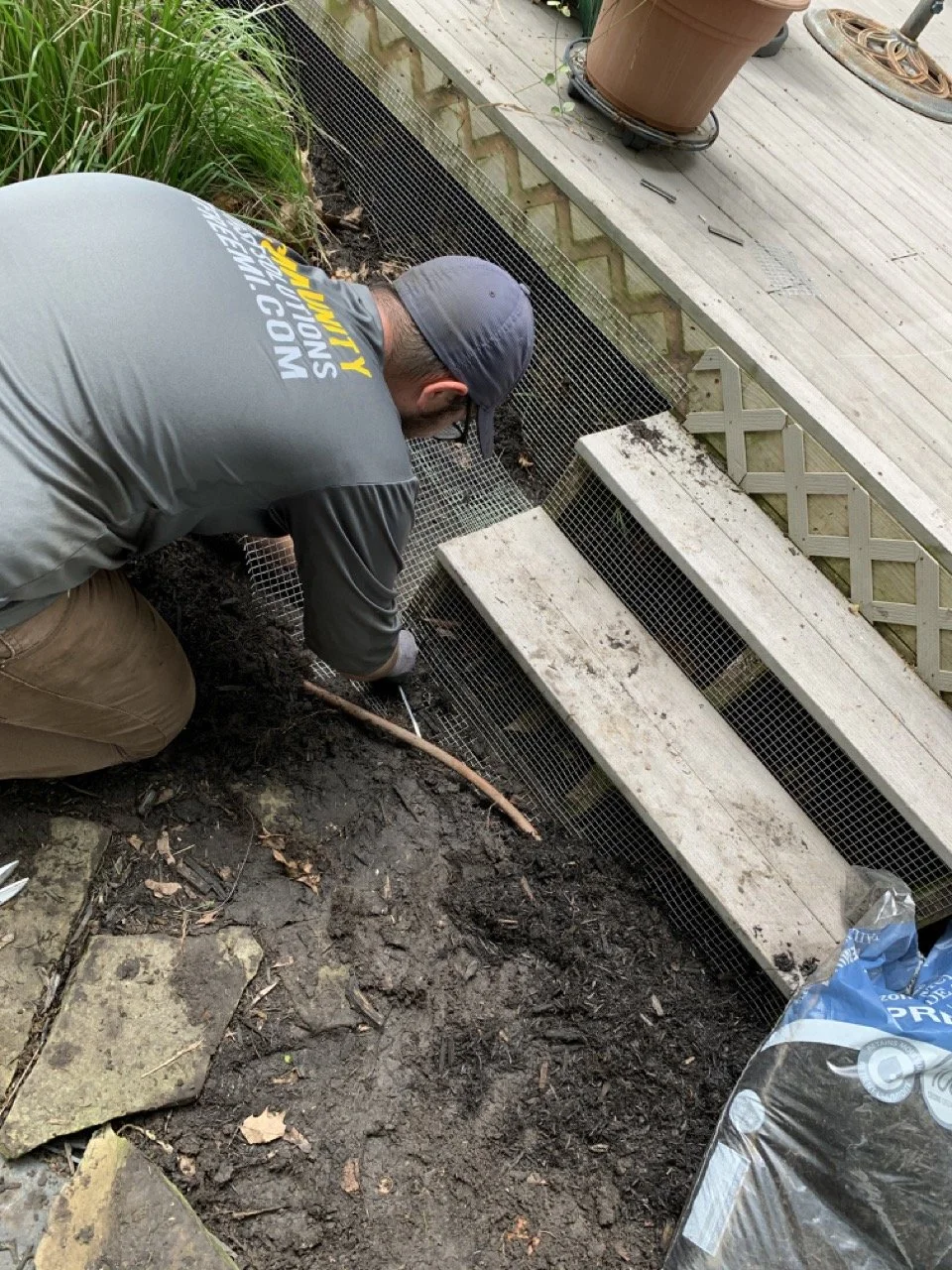
That’s the point when most people call pest control company, but the truth is – preemptive treatment and thorough identification and sealing of entry points – is a much better posture (especially if you have musophobia).
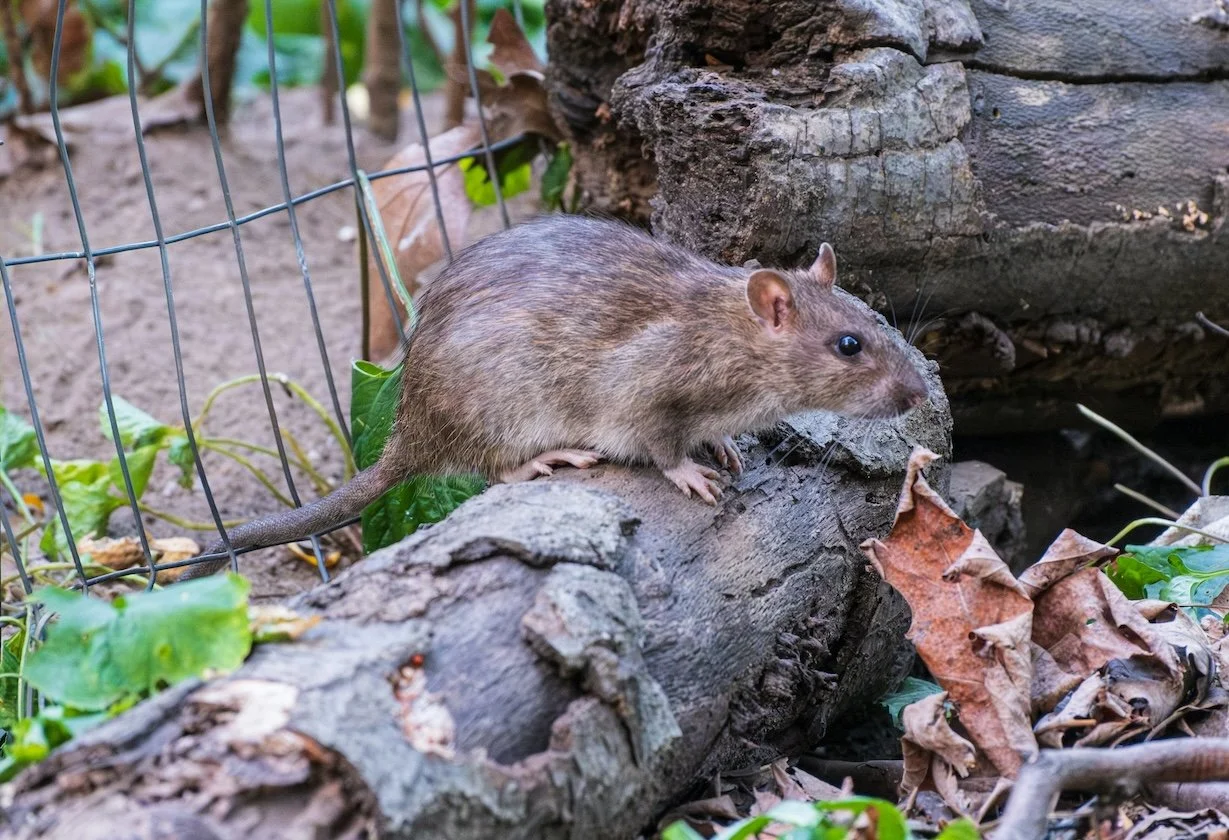
Musophobia is an intense and irrational fear of mice and rats.
WOOD-DESTROYING INSECTS
Carpenter ants, termites, and carpenter bees are three pests that are finding life to be easier in the past few years.

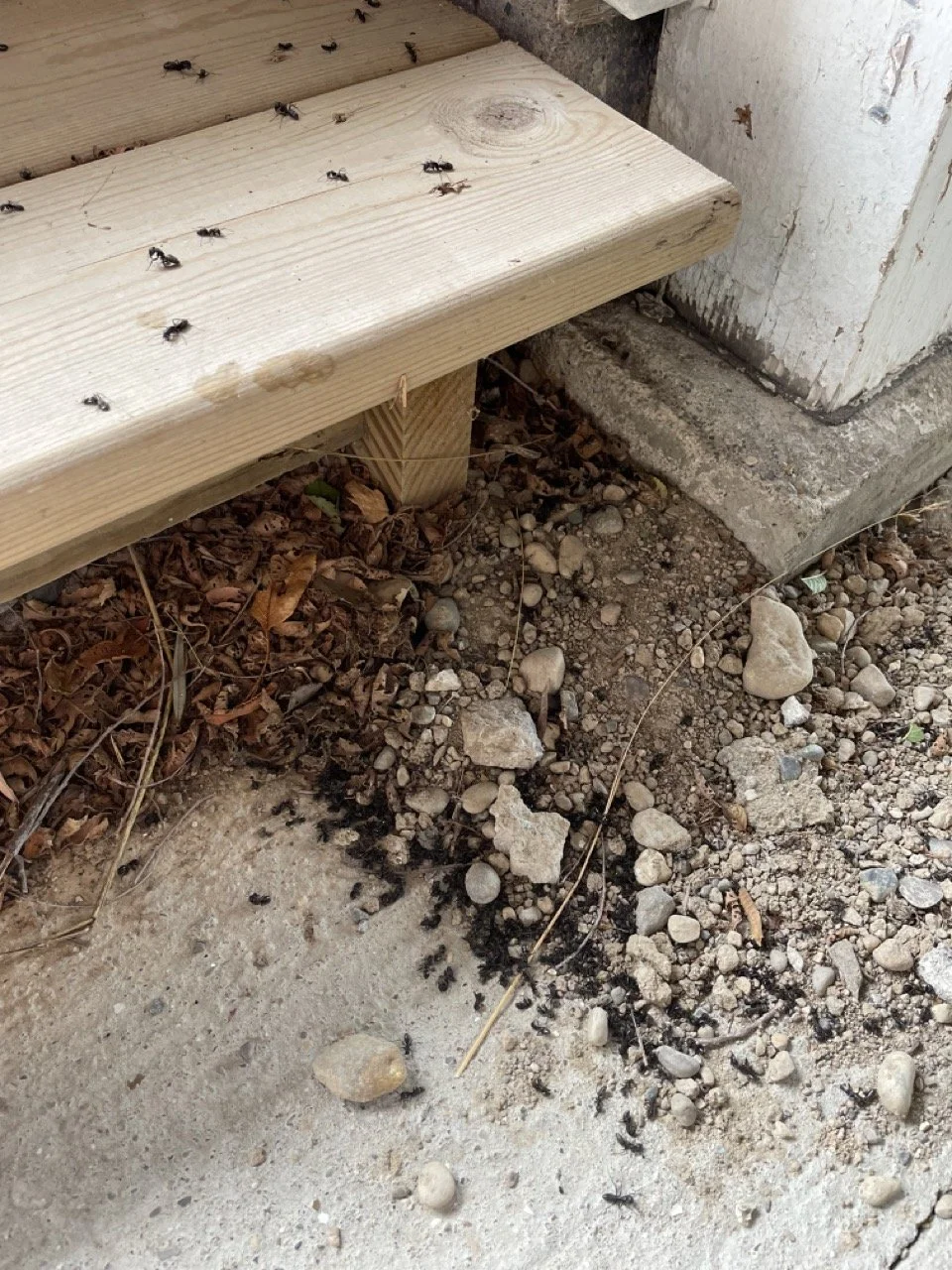
Carpenter Ant colonies grow faster and larger when they have longer warm seasons and access to more food and water. These seasonal changes allow them to move into homes earlier in the season, giving them more opportunity to damage structures.

The termites we see in Michigan are Eastern Subterranean Termites. The subterranean (underground) nature of termite biology makes soil temperatures a limiting factor for how easily they spread from one home to another in our state. As soil warms sooner and cools later, termites have a longer window to spread from place to place.
A decade ago, most Michiganders had never heard of Carpenter Bees. Now we regularly provide service for them all spring and summer long. These large, territorial bees are often mistaken for bumble bees. They chew wood soffits, decks and any exposed wood leaving perfectly round holes and extensive tunnels, damaging structures.


Carpenter bee and their damage photos credited to: https://extension.umd.edu/resource/carpenter-bees/
WASPS

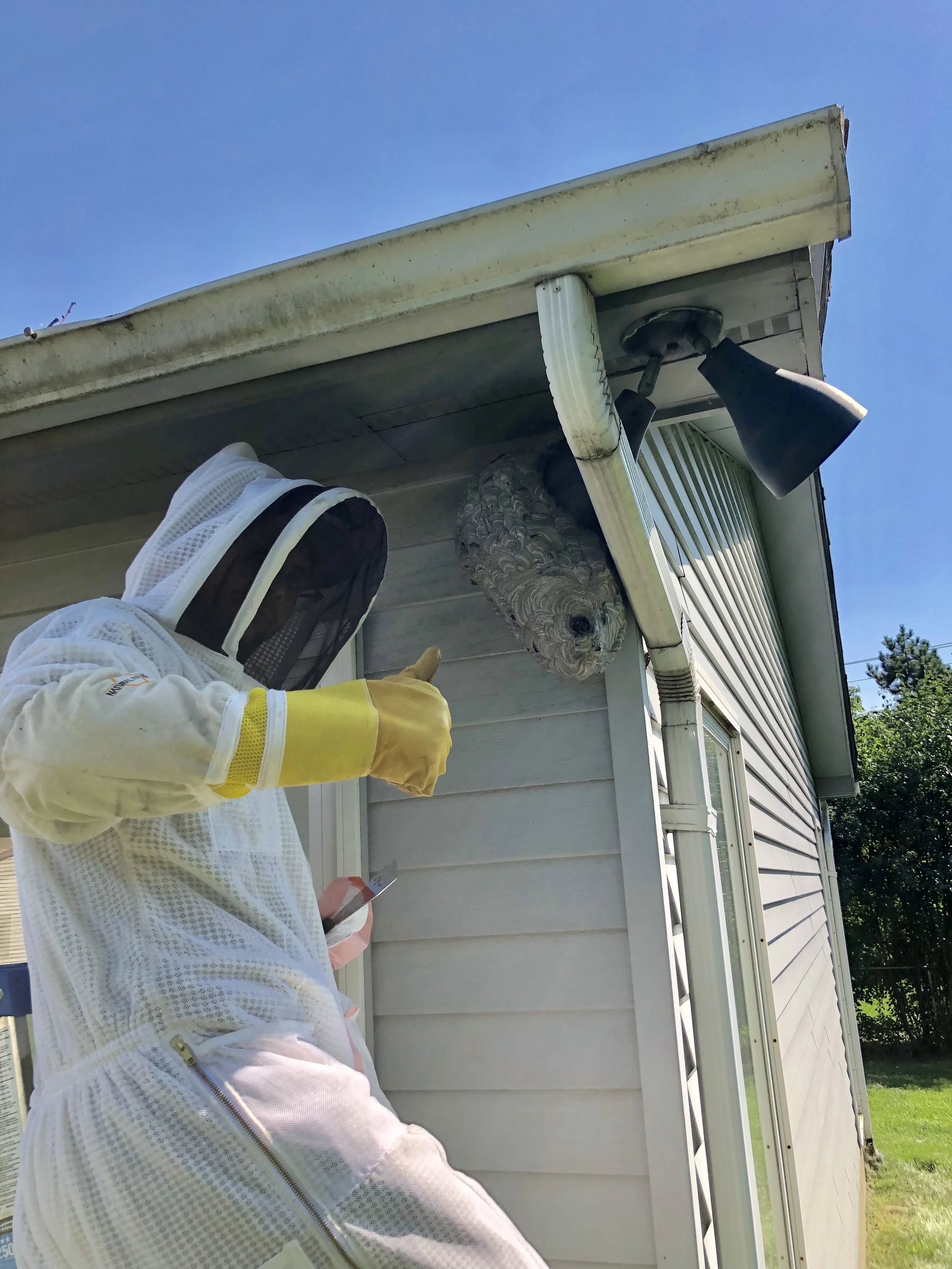
Wasps including Yellow Jackets, Paper Wasps and Bald-faced Hornets exhibit a behavior we refer to as “overwintering.”
This is basically hibernation for bugs. They take shelter under logs, in the soil, and in attics and walls to wait out the winter and start their life-cycle again in the spring. Shorter winters allow more of these wasps to survive until spring, creating larger and larger wasp populations.
From June to September our phones ring off the hook with wasp calls. This year we had several calls late into October when calls would have normally stopped completely!
HONORABLE MENTIONS
Ticks, mosquitos, and white-tailed deer! If you’re a dog owner that enjoys an off-leash hike (shh!) in our local trails and nature areas, you’ve already noticed the trend. More ticks, every year, year-round. You can’t spell “tick” without “ick”… and considering increased Lyme disease transmission in Michigan, you can’t take this threat lightly, either.
Like ticks, mosquitoes are loving our warming climate, because extended warm seasons and greater humidity create ideal underlying conditions for their survival and reproduction.
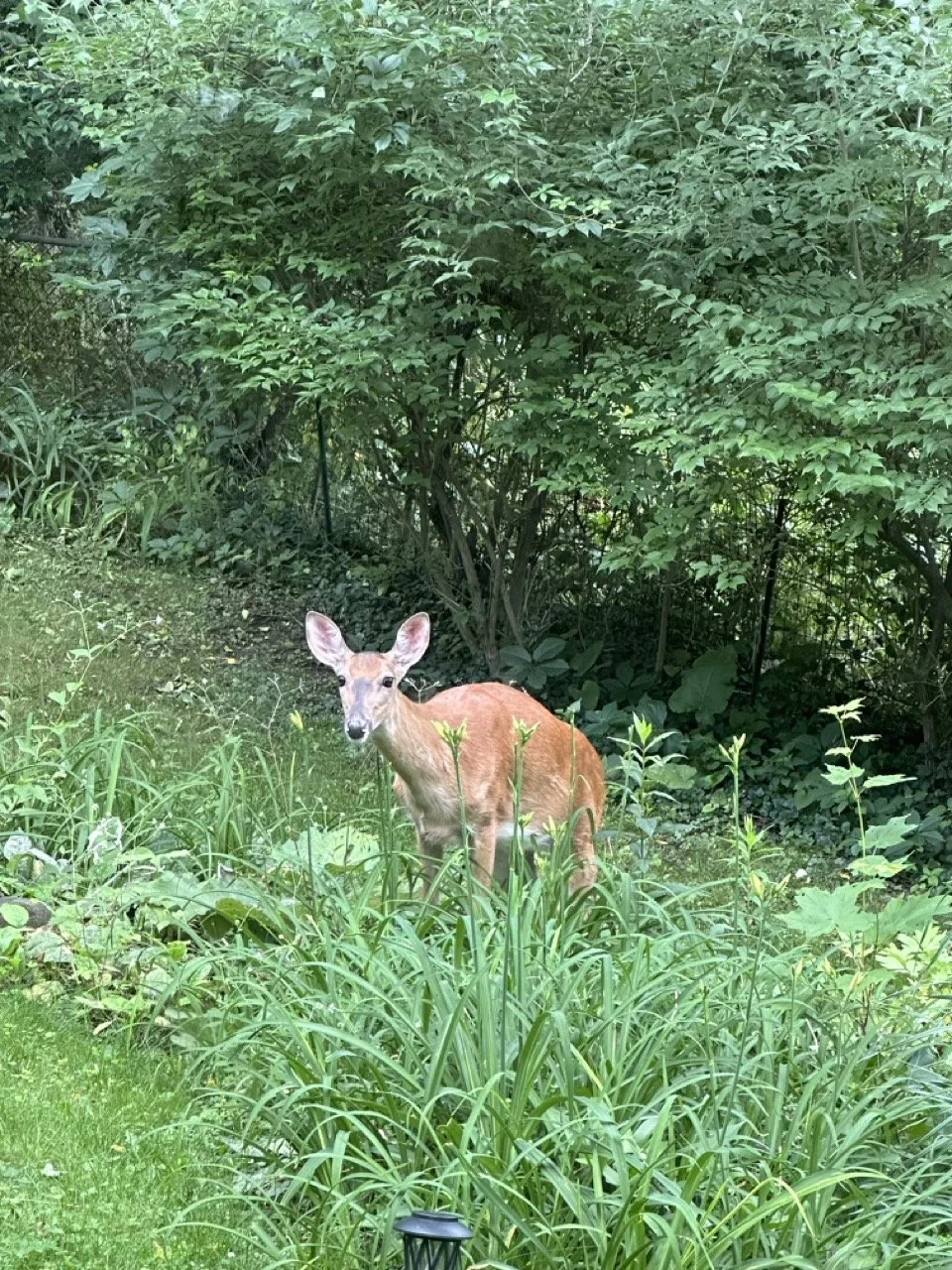
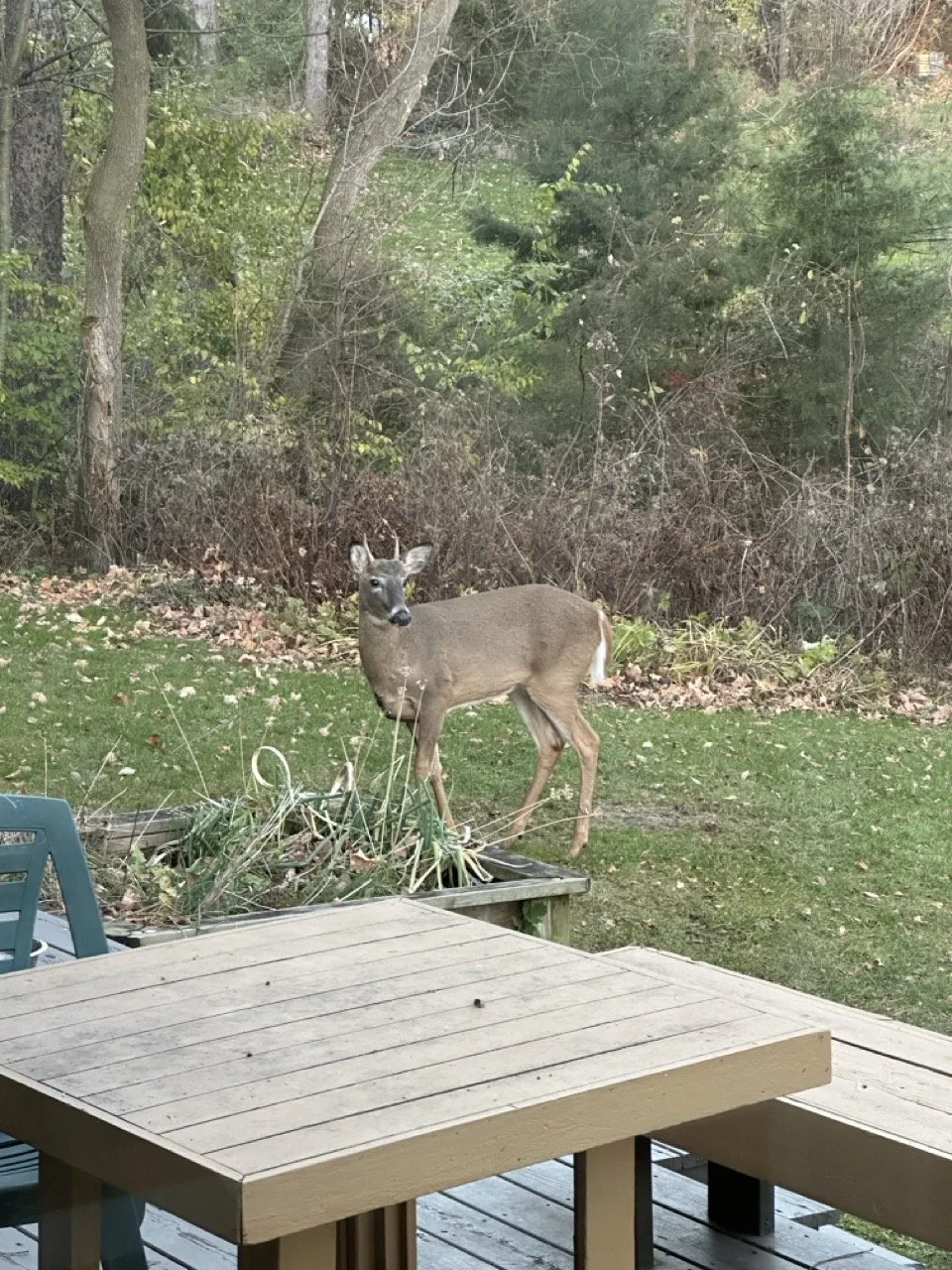
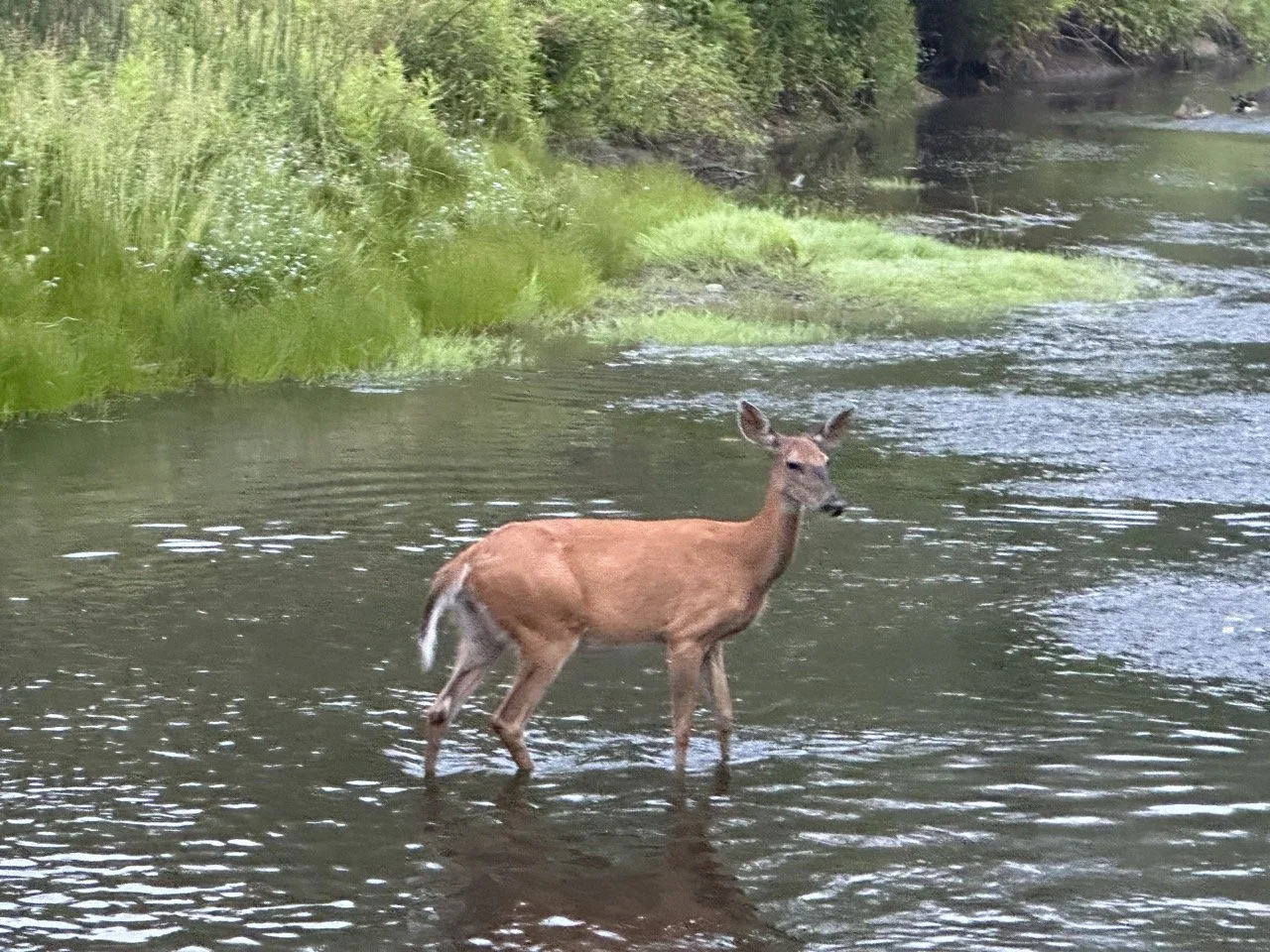
With deer, harsher winters historically kept their population in check. Combined with the absence of an annual deer cull in Ann Arbor since 2020 and relatively small number of predators in the area, deer mortality is very low. If you haven’t noticed them casually strolling your yard or neighborhood yet, you probably will soon! Deer are, of course, hosts and carriers of ticks and other diseases and voracious consumers of your plants and gardens, making their overpopulation not quite innocuous…
LOSERS:
The losers of climate change are homeowners, businesses, and native wildlife.
Home and business owners are dealing with a surge in pest-related challenges throughout Ann Arbor, Ypsilanti, Dexter, Chelsea, Saline, and Whitmore Lake – challenges that will only continue growing, in part due to climate change. If you live in the area and haven’t encountered a rodent or pest issue yet, it’s only a matter of time (typically).
At Community Pest Solutions, we’ve developed treatment methods and service protocols designed to prevent and eliminate these problems before they cause costly damage. Acting early is key. Once established, these pests become more and more difficult to control and may require significant investment to eliminate.
Native wildlife, meanwhile, is being displaced as invasive pests thrive in the warmer climate and push out species that have long been part of our local ecosystem. Across the country, many invasive species are expanding their ranges northward. Here in Michigan, the Brown Marmorated Stinkbug is a prime example, arriving in recent years and disrupting both homes and agriculture.
The good news? You don’t have to face these challenges alone. Stay informed, stay proactive, and call us to help keep your property pest-free.
Please Note: We do not provide tick, mosquito, or deer control services